15 Things to Do in Kona, Big Island Hawaii (2026)
Kona is the sunny side of the Big Island — the dry, leeward coast where the resorts cluster, the coffee grows, and the ocean is calm enough to snorkel, fish, and swim year-round. While the Hilo side gets 130 inches of rain a year, Kona averages about 18. It's the base for most Big Island visitors, and the jumping-off point for the island's signature experiences: manta rays at night, Kealakekua Bay by kayak, and some of the best sport fishing in the Pacific.
Getting oriented: "Kona" usually refers to the Kailua-Kona area — the town on Ali'i Drive — and the coast stretching from the airport south to Kealakekua Bay. The Kohala Coast resorts (Mauna Lani, Waikoloa) are 20-30 minutes north. Kona International Airport (KOA) is the main Big Island airport for the west side.
1. Manta Ray Night Snorkel
This is the Big Island's most iconic experience. After dark, boats motor to a site off the Kona Coast where dive lights attract plankton, and the plankton attracts manta rays — oceanic mantas with wingspans up to 12 feet. You float face-down at the surface holding a lit surfboard while the mantas loop and barrel-roll inches below you, mouths open, feeding. It's surreal. The snorkel version requires no certification — just the ability to float. Sightings are nearly guaranteed (operators report 90%+ success rates). Tours run year-round with evening departures from Kona harbors. Book ahead; this one sells out.
2. Kealakekua Bay Snorkeling
Kealakekua Bay is a marine preserve about 20 minutes south of Kona — a deep, sheltered bay with some of the clearest water and healthiest coral in Hawaii. The Captain Cook Monument sits on the far shore (marking where James Cook was killed in 1779). The snorkeling near the monument is exceptional: spinner dolphins, tropical fish, sea turtles, and coral formations in 10-30 feet of clear water. Access options: kayak across the bay (guided tours or self-guided permit), book a snorkel boat, or hike the steep trail down from the highway (2 miles, rough, hot). The kayak is the best option.
3. Kona Coffee Farm Tours
The slopes above Kona — roughly between 800 and 2,500 feet elevation — produce 100% Kona coffee, one of the most prized (and expensive) single-origin coffees in the world. Dozens of farms offer tours: Greenwell Farms (the biggest, free tours), Hula Daddy (small-batch, detailed process tour), Mountain Thunder (organic, in the cloud forest), and Kona Joe's (the one with the espresso bar and the trellised vines). Most tours walk you from cherry to cup — picking, pulping, drying, roasting, tasting. The drive up the hill through coffee country on Hualalai Road is scenic on its own.
4. Ali'i Drive
Ali'i Drive is Kona's main waterfront road — a two-mile stretch along the shore lined with restaurants, shops, and the Kailua Pier. It's where the Ironman World Championship starts and finishes. Walking Ali'i Drive in the evening, with the sun setting behind the boats at the pier, is the quintessential Kona experience. The seawall near the pier is a good spot for sunset watching. Huggo's and Don the Beachcomber are the waterfront restaurant standards. The Kona Farmers Market sets up on Ali'i Drive on weekend mornings.
5. Deep-Sea Fishing
The Kona Coast is one of the best blue marlin fisheries in the world. The ocean floor drops off steeply just offshore — within a mile of the harbor, you're over thousands of feet of water — which brings pelagic fish close to land. Blue marlin, yellowfin tuna, mahi-mahi, ono (wahoo), and striped marlin are all targets. The Hawaiian International Billfish Tournament, based in Kona since 1959, is one of the most prestigious fishing events in the Pacific. Charters run half-day and full-day trips from Honokohau Harbor, just north of town. Even a half-day trip puts you in serious fishing water.
Explore Kona & Big Island Tours
Manta ray night snorkels, Kealakekua Bay trips, fishing charters, and volcano tours — compare options and check live availability.
Browse All Tours →6. Pu'uhonua o Honaunau (Place of Refuge)
A National Historical Park about 20 minutes south of Kona, Pu'uhonua o Honaunau is one of the most significant cultural sites in Hawaii. In ancient times, anyone who broke a kapu (sacred law) could avoid the death penalty by reaching this place of refuge — once inside, a priest would perform a ceremony of absolution. The reconstructed temple platform, carved ki'i (wooden images), and the Great Wall (a 1,000-foot-long, 10-foot-high lava rock wall) are impressive. The adjacent Two Step snorkeling spot (just south of the park entrance) is one of the best shore snorkeling sites on the Big Island — easy entry, clear water, turtles.
7. Hapuna Beach
Hapuna Beach State Recreation Area on the Kohala Coast (about 30 minutes north of Kona) is consistently rated one of the best beaches in the US. It's a wide, half-mile crescent of white sand with clear water, good bodyboarding, and reliable sunshine. The beach has parking, restrooms, showers, and a food concession. Mornings are calmest; afternoon wind and chop can pick up. The south end is slightly more sheltered. It's the Big Island's best all-around beach — the kind of beach that other Hawaiian islands have several of, but the Big Island has just this one truly great one.
8. Sunset at the Kailua Pier
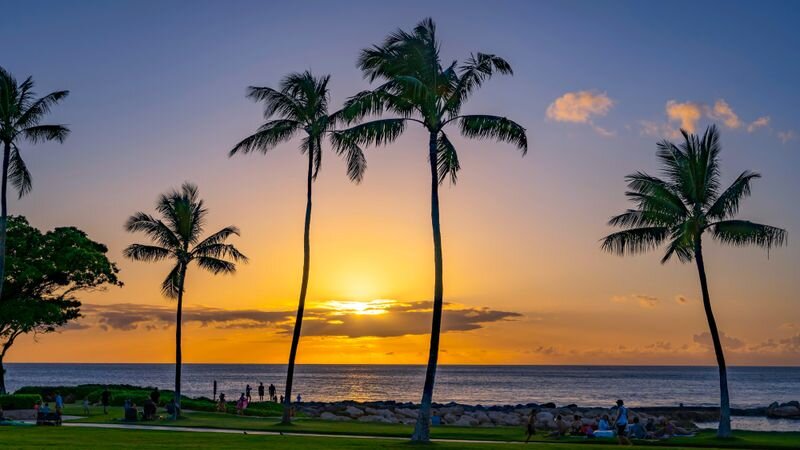
The Kailua Pier (also called the seawall) in the center of Kona town is the gathering spot at sunset. Locals and visitors sit on the wall, fish from the rocks, and watch the sky turn colors over the Pacific. The pier is also where the Ironman World Championship swim starts and where inter-island ferries once docked. It's simple — no admission, no setup, just the ocean and the sky — and it's one of the best sunset spots on the island. The Courtyard King Kamehameha's Beach Hotel sits right behind it if you want a drink with the view.
9. Kaloko-Honokohau National Historical Park
A coastal park between the airport and Honokohau Harbor that protects ancient Hawaiian fishponds, petroglyphs, and a pristine stretch of shoreline. The Aimakapa Fishpond trail is an easy walk to a beach where Hawaiian green sea turtles haul out on the sand daily — one of the most reliable turtle-viewing spots on the island. The Honokohau Beach section is a quiet, uncrowded beach with good snorkeling in calm conditions. The park is often overlooked because it doesn't look like much from the highway entrance, but it's a genuine piece of pre-contact Hawaiian landscape.
10. Kohala Coast Resorts and Petroglyphs
The Kohala Coast north of Kona is where the Big Island's luxury resorts sit — Mauna Lani, Waikoloa, Fairmont Orchid, Four Seasons Hualalai. Even if you're not staying at one, several attractions are accessible. The Puako Petroglyph Preserve near Mauna Lani has over 3,000 petroglyphs (carved images in lava rock) along a short trail through a kiawe forest. The Kings' Shops and Queens' MarketPlace at Waikoloa have restaurants and a free nightly hula show. The Mauna Lani resort area has ancient fishponds and sea turtle viewing along its shore trail.
11. Snorkeling at Two Step
Two Step (Pae'a) is the Big Island's most popular shore snorkeling spot — named for the two natural lava steps you use to enter the water. It's right next to Pu'uhonua o Honaunau (Place of Refuge). The water is clear, the reef starts immediately, and the marine life is dense: yellow tangs, butterfly fish, parrotfish, moray eels, sea turtles, and occasional spinner dolphins. It's best in the morning before the wind picks up. No sand beach — it's a lava rock entry — but the snorkeling rivals anything you'd get on a boat trip. Free parking in the adjacent lot (fills early on weekends).
Book a Big Island Tour
From manta rays to volcano adventures — find the right tour for your trip.
Browse All Tours →12. Hawaii Volcanoes National Park Day Trip
The Big Island's signature natural attraction is about 2.5 hours from Kona via the Saddle Road (Daniel K. Inouye Highway) or the coastal route through South Point. Volcanoes National Park has two active volcanoes — Kilauea (which has erupted repeatedly in recent years) and Mauna Loa. The Crater Rim Drive loops around Kilauea Caldera, and the Chain of Craters Road descends through lava fields to the coast. The Thurston Lava Tube, the steam vents, and the Jaggar Museum viewpoint are highlights. Whether lava is actively flowing varies — check the NPS website before you go.
13. Kona Brewing Company
The original Kona Brewing Company pub is on Kuakini Highway in Kailua-Kona — a large, open-air restaurant with their full beer lineup on tap plus solid pub food (pizza, fish tacos, poke bowls). The Longboard Lager and Big Wave Golden Ale are the flagships. Brewery tours are available. It's the most well-known craft brewery in Hawaii, and while the brand has grown to mainland distribution, the original pub still has the feel of a local hangout. Thursday nights tend to have live music. It's a reliable dinner spot after a long day on the water.
14. Mauna Kea Stargazing
Mauna Kea summit (13,796 feet) hosts some of the world's most powerful telescopes because the air above it is exceptionally dry, clear, and stable. You can drive to the Visitor Information Station at 9,200 feet (4WD recommended above that) where free stargazing programs run on select evenings — volunteer astronomers set up telescopes and walk you through the night sky. The summit itself is above 40% of Earth's atmosphere, and the Milky Way is vivid. The drive from Kona takes about 90 minutes. Dress warm — it's near freezing at the top. Guided sunset-and-stargazing tours handle the logistics and acclimation.
15. Hulihe'e Palace
A modest but significant building on Ali'i Drive in the center of Kona — a former vacation residence of Hawaiian royalty, built in 1838. It's now a museum run by the Daughters of Hawaii, with furnishings, artifacts, and portraits from the Hawaiian monarchy era. The palace sits on the seawall across from the Ahuena Heiau (a reconstructed temple). It's small — a 30-minute visit — but it's one of only a few surviving royal residences in Hawaii and gives you the historical context for the Kona coast.
Frequently Asked Questions
What is Kona best known for?
Kona coffee, the manta ray night snorkel, sport fishing, Kealakekua Bay snorkeling, and sunshine. The Kona Coast is the driest, sunniest part of the Big Island, which is why the resorts and most ocean activities are based here.
Is the manta ray night snorkel worth it?
Yes. It's one of the most unique wildlife encounters in Hawaii. Mantas with 6-12 foot wingspans loop inches below you while you float at the surface. No certification needed, runs year-round, 90%+ sighting rate.
When is the best time to visit Kona?
Kona is sunny year-round. December through April adds whale watching. June through August has the calmest ocean. September and October have the fewest crowds. The Ironman in October is the biggest event.
Is Kona or Hilo better for tourists?
Kona for sun, beaches, and ocean activities. Hilo for rainforests, waterfalls, and Volcanoes National Park. Most visitors stay on the Kona side and day-trip to Hilo and the volcano.