The Menehune: Hawaii's Little People and the Fishpond They Built in One Night
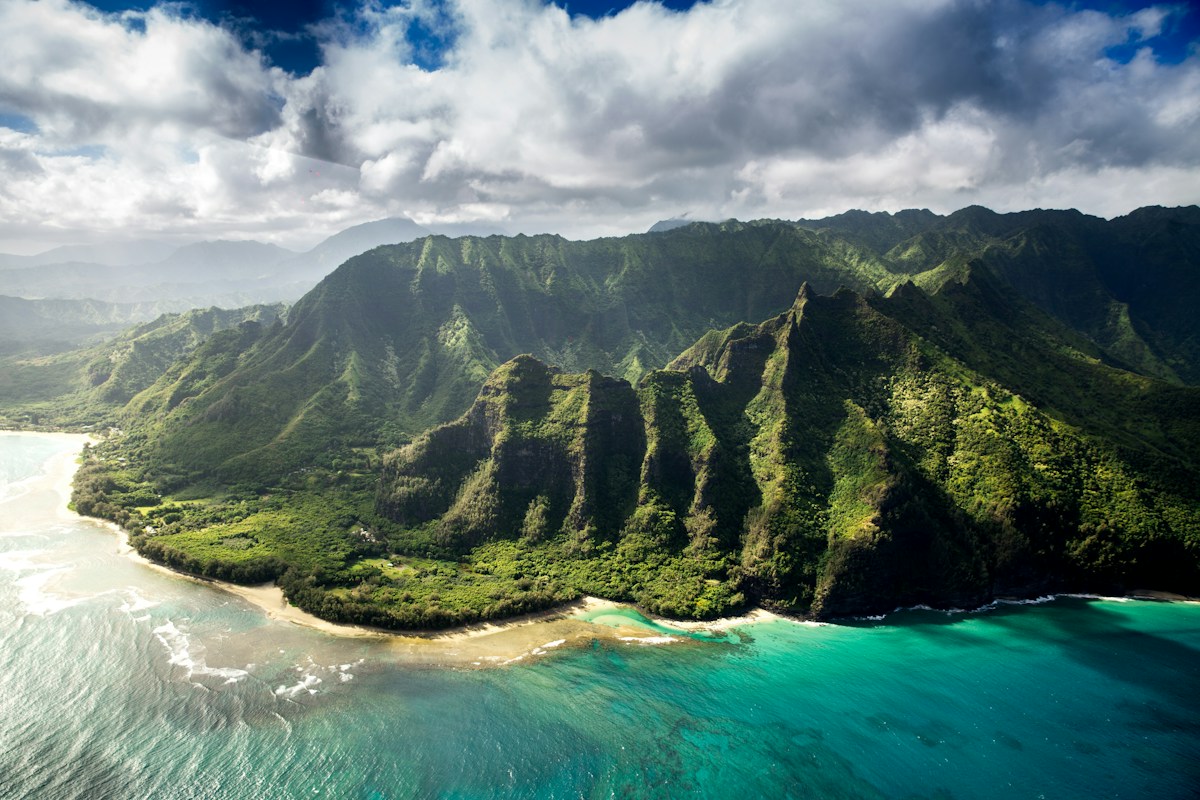
Every Hawaiian island has its legends, but only Kauai has the Menehune. They are described in oral tradition as a race of small, powerful people — skilled craftsmen who could complete enormous construction projects in a single night, disappearing before dawn. They built fishponds, heiau (temples), roads, and aqueducts. They were said to be mischievous but not malevolent, reclusive but capable of feats that human labor couldn't match. And they left behind, according to the tradition, a 900-foot stone wall on the south shore of Kauai that still stands today.
The ʻAlekoko Fishpond — known in English as the Menehune Fishpond — sits near Nāwiliwili Harbor, hemmed between a hillside and the Hulēʻia River. The stone wall crosses a bend in the river to create an enclosed brackish-water pond. Fish swim in through two sluice gates and, once grown too large to exit, are harvested. The engineering is precise. The wall has stood for an estimated six centuries. And the legend says it was built in a single night by 400 Menehune who formed a 25-mile human chain from the Makaweli quarry to pass stones hand to hand until the wall was complete.
What the Fishpond Actually Is
The ʻAlekoko Fishpond was placed on the National Register of Historic Places in 1973. Archaeological evidence suggests it was likely constructed in the 15th century, though the exact date is uncertain. The stone wall runs approximately 900 feet, sealing off a natural river bend to create a pond of several acres. Two sluice openings in the wall are fitted with grates sized to let juvenile fish enter and prevent mature fish from escaping — a functional design that Hawaiian aquaculture refined across centuries.
The name ʻAlekoko translates as "rippling blood" in Hawaiian, a name that predates the Menehune associations and likely refers to the reddish color the water can take at certain times of day when light hits the tannin-rich river runoff. The fishpond was used historically to cultivate mullet (ʻamaʻama) and milkfish (awa), species that thrive in the brackish mix of fresh river water and tidal saltwater.
Visiting today: The best view of the fishpond is from the Puhi Road overlook near Nāwiliwili. The pond sits within the Hulēʻia National Wildlife Refuge, and the surrounding land is not publicly accessible for close inspection — but the overlook gives a clear view of the wall and the full extent of the pond. Boat tours on the Hulēʻia River pass near the fishpond as they travel upriver through the refuge.
The One-Night Legend
The central Menehune legend tied to ʻAlekoko says that a Hawaiian prince and princess commissioned the construction of the fishpond. The Menehune agreed on one condition: no human could watch them work. The prince and princess promised. The Menehune assembled — 400 of them, according to the tradition — and formed a chain stretching 25 miles back to the stone quarry at Makaweli. From midnight to dawn, stones passed hand to hand down the chain and were set in place by master builders. The wall was finished before sunrise.
The story's ending is characteristically Hawaiian in its moral logic: the prince and princess couldn't resist watching. They hid on the hill above the pond. The Menehune sensed the presence of human eyes, stopped work, and departed — leaving two gaps in the wall where they had been caught watching. The gaps were later filled by human hands, but according to the legend you can still see the distinction between Menehune stonework and the later repairs.
Where Did the Menehune Come From?
The origin of the Menehune legends is one of the more interesting puzzles in Hawaiian cultural history. Several competing theories exist, none fully settled.
The most widely cited scholarly theory links the word "Menehune" to the Tahitian word manahune, meaning "commoner" or "person of low social status." Under this reading, when waves of Tahitian immigrants arrived in Hawaii during the 11th to 13th centuries, they used manahune as a disparaging term for the earlier Polynesian inhabitants they found already living on the islands. In Hawaiian oral tradition, that term gradually transformed into the name for a legendary people of extraordinary skill — the social inversion of the original Tahitian meaning, with "low-status commoner" becoming "master craftsman."
A remarkable piece of documentary evidence supports the idea that "Menehune" once referred to an actual human group rather than a legend. The 1820 Hawaiian census — one of the earliest systematic counts taken under the newly arrived Western influence — recorded 65 people in the Wainiha Valley on Kauai who identified themselves as Menehune. Whether this reflected a distinct community, a lineage claim, or a social classification is unknown, but the census entry stands as an unusual historical anchor for a tradition that is otherwise entirely oral.
Menehune Across Kauai
The ʻAlekoko Fishpond is the most famous Menehune site, but Kauai's oral tradition attributes several other structures to their labor. The Kīkī a Ola, commonly called the Menehune Ditch, is a section of dressed stone aqueduct near Waimea on Kauai's west side. Unlike the stacked river-cobble construction typical of ancient Hawaii, the Menehune Ditch uses cut and fitted basalt blocks — a construction technique unusual enough that early Western visitors noted it as distinctively different from other Hawaiian stonework. Some of the original wall was dismantled for road construction in the 19th century, but a portion remains visible.
Scholars have noted that these structures — the fishpond wall, the dressed-stone ditch — represent construction technology and organizational scale that exceeds what small scattered villages could easily produce. This has fueled speculation that they reflect a period of large-scale, organized labor that later became legendary, though no archaeological evidence directly confirms a "Menehune people" distinct from the broader Hawaiian population.
Explore Kauai's History and Landscape
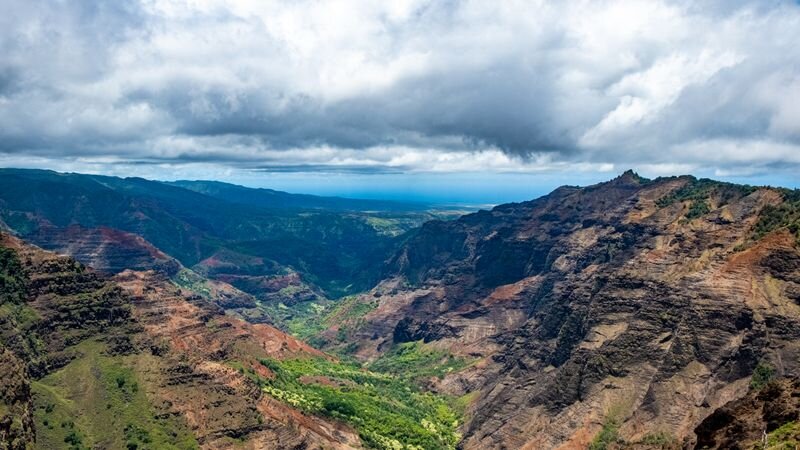
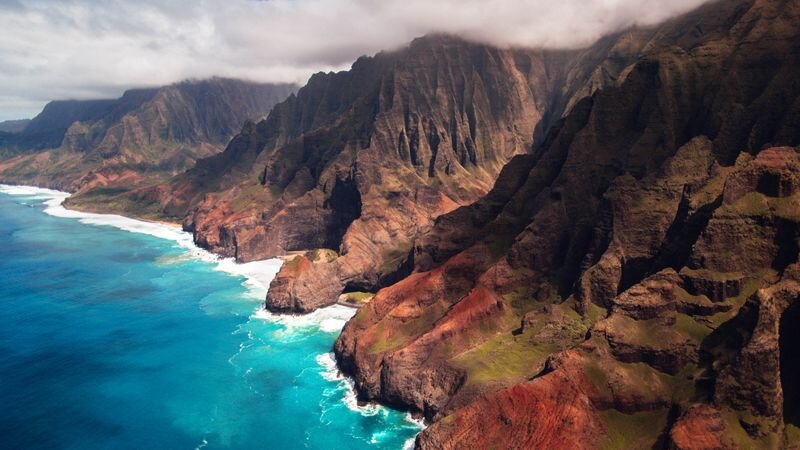
From the Menehune Fishpond overlook to Waimea Canyon and the Nā Pali Coast — find tours that take you through the Garden Isle's most remarkable places.
Browse Kauai Tours →Why the Menehune Legend Endures
Hawaii has many figures from oral tradition, but the Menehune occupy a particular cultural space: they are not gods, not ancestors, not spirits. They are workers — impossibly skilled, nearly invisible, operating at the boundary between the natural and supernatural. The legend's recurring structure (one-night completion, forbidden observation, the human who can't resist watching) maps onto a universal folk-tale pattern found across many cultures. But the specific structures it explains are genuinely there, genuinely old, and genuinely impressive.
For visitors, the Menehune tradition offers something the geological and historical facts alone don't: a reason to think about who built ancient Hawaii and what it took. The fishpond at ʻAlekoko works. It has worked for six centuries. Whatever the origin of the legend, the engineering behind the 900-foot wall is real.
Frequently Asked Questions
Are the Menehune real?
They are figures from Hawaiian oral tradition — legendary craftsmen described as small but extraordinarily skilled. Whether the legends preserve a historical memory of earlier Polynesian settlers remains debated. The 1820 census recorded 65 people identifying as Menehune in Wainiha Valley on Kauai.
What is the ʻAlekoko Fishpond?
An ancient Hawaiian fishpond near Nāwiliwili Harbor on Kauai, featuring a stone wall roughly 900 feet long that has stood since approximately the 15th century. It is on the National Register of Historic Places (1973) and was historically used to raise mullet and milkfish.
Where does the word "Menehune" come from?
Possibly from the Tahitian word manahune, meaning "commoner" — a term Tahitian immigrants may have used for earlier Polynesian inhabitants. Over time in Hawaiian tradition the term transformed into the name for a race of legendary craftsmen.