Byodo-In Temple: Oahu's Hidden Valley of Temples
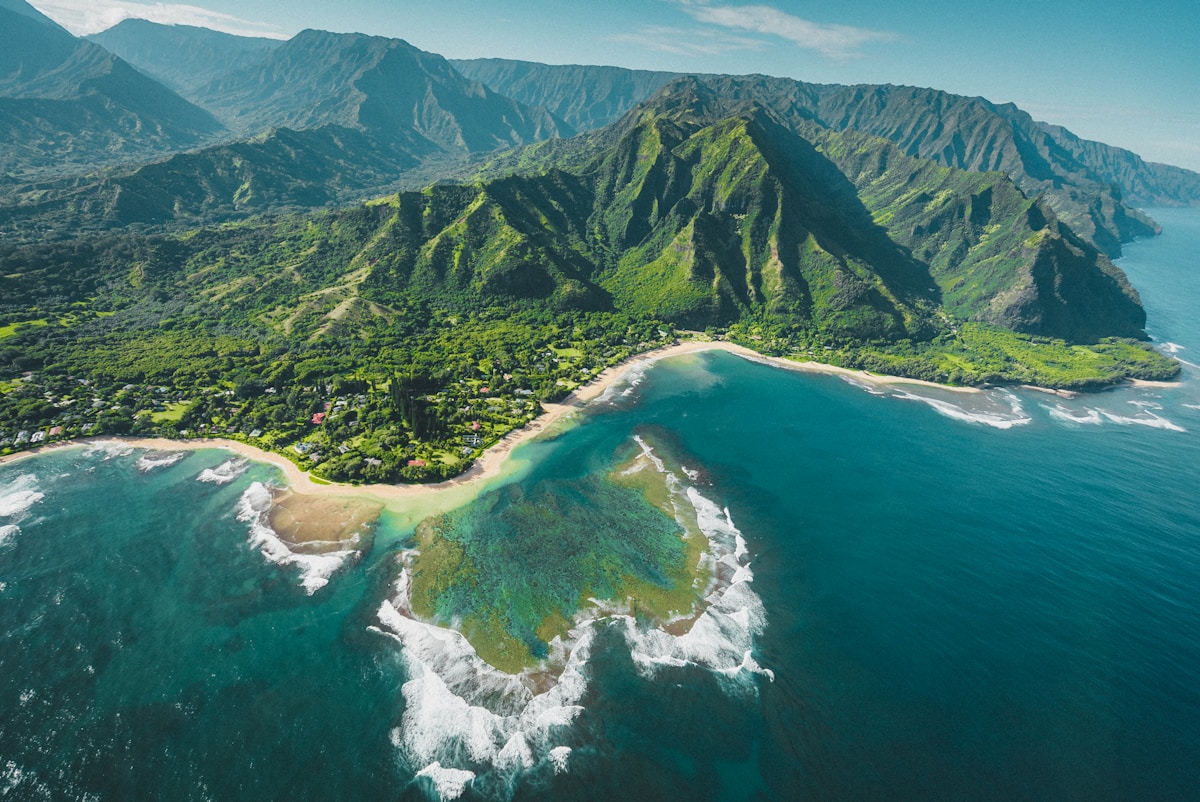
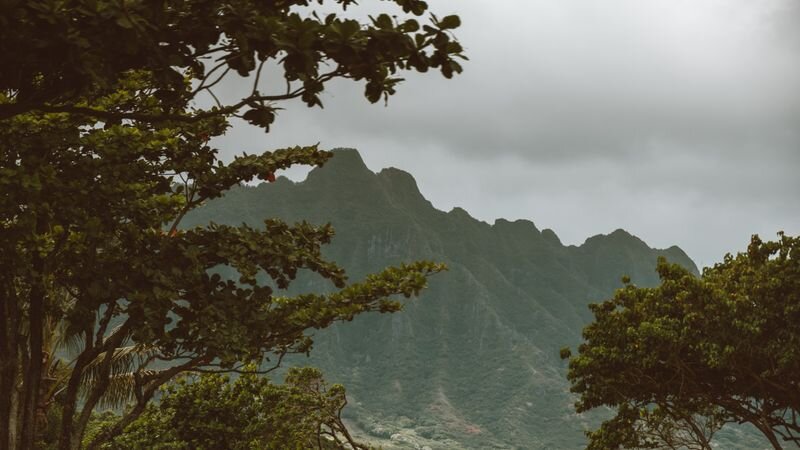
Most visitors to Oahu never make it to Kaneohe — and that's exactly why the Byodo-In Temple feels like a secret. Thirty minutes from Waikiki on the windward side of the Ko'olau Mountains, down a road lined with ironwood trees, the temple sits at the edge of one of the most dramatic backdrops on the island: a vermilion-lacquered Japanese hall against 2,000 feet of straight vertical cliff, its reflection broken in a black-and-gold koi pond, peacocks wandering the grounds.
The Byodo-In Temple in Kaneohe is a half-scale replica of the Phoenix Hall of the original Byodo-In in Uji, Japan — an 11th-century Buddhist temple built in 1053 CE that is now a UNESCO World Heritage Site. The Hawaii version was completed in 1968, built to commemorate the 100th anniversary of Japanese immigration to Hawaii. Construction took several years and cost approximately $2.6 million. The wooden beams were assembled without nails, in the traditional Japanese joinery method.
The Original: A 1,000-Year-Old Buddhist Hall in Uji, Japan
The original Byodo-In was built in 1053 CE by the Fujiwara clan during Japan's Heian period. Its Phoenix Hall — the building replicated in Hawaii — is considered a masterpiece of Japanese architectural design, depicting the Pure Land of Amitabha Buddha through its form. The original still stands in Uji, south of Kyoto, and appears on the Japanese ten-yen coin.
The choice of this particular temple as the model for Hawaii's replica was deliberate. The Byodo-In represents refined classical Japanese culture and Buddhist tradition — an appropriate symbol for a ceremony honoring the first generation of Japanese immigrants who arrived in Hawaii in 1868 to work on sugarcane plantations. Those early immigrants, known as the gannenmono ("first-year people"), came under difficult circumstances. The 1968 centennial was a moment of recognition and pride for what became Hawaii's largest ethnic group.
The Architecture: No Nails, No Compromise
The Hawaii Byodo-In was designed to be as accurate as possible to the original, scaled to approximately half size. The wooden structure was assembled using traditional Japanese joinery — beams and brackets fitted together through precisely cut mortise-and-tenon joints, without a single nail. This method, unchanged for over a thousand years, allows the structure to flex slightly during earthquakes rather than shatter.
The grounds were designed by famed Kyoto landscaper Kiichi Toemon Sano, who brought the same attention to detail to the Hawaiian site as he would to a Japanese imperial garden. The gravel patterns around the temple, the placement of the koi ponds, the stone lanterns, and the bridges were all deliberate. Sano reportedly said that the setting — the Ko'olau cliffs behind the temple — surpassed anything that could be achieved in Japan.
The Three-Ton Peace Bell
In a small bell house near the temple entrance hangs a three-ton brass bell cast in Osaka, Japan. Known as a bon-sho (sacred bell), it stands roughly five feet tall and produces a deep, resonant tone that rolls across the grounds for nearly a minute after each strike.
Visitors are invited to ring the bell before entering the temple. The custom is that the sound clears the mind for meditation and brings good fortune. You pull and swing a large wooden log — the shu-moku — against the bell's surface. The sound is not a sharp clang but a sustained, spreading drone that you feel as much as hear. Most visitors fall quiet after ringing it.
Visit tip: Morning visits are best — the light hits the Ko'olau cliffs directly behind the temple for a few hours after sunrise. Peacocks roam the grounds freely and are most active in the morning. The temple opens at 8:30 a.m. Remove shoes before entering the main hall. Photography is permitted throughout.
Inside the Temple: The Nine-Foot Lotus Buddha
The interior of the main hall is hushed and dim, a deliberate contrast to the vivid exterior. At the center stands a nine-foot gold-lacquered statue of Amitabha Buddha — the Buddha of Infinite Light — seated in the lotus position on a lotus throne. The figure is modeled closely on the original in Japan, though not identical.
The hall also contains a wooden image depicting Amitabha in a different posture, and a meditation pavilion where visitors can sit on cushions in silence. The combination of the scale, the dim light, the gold figure, and the sound of the koi pond outside creates an unusual stillness for a site that receives thousands of visitors each week.
The Grounds: Koi, Peacocks, and Black Swans
The temple grounds include large koi ponds with fish that have been feeding from visitors' hands for decades — they rise to the surface at the sound of footsteps. Black swans (introduced from Australia) share the pond with the koi. Wild peacocks — the most photographed residents of the Valley of the Temples — wander freely, occasionally spreading their tails for seemingly no reason at all.
The Valley of the Temples Memorial Park, which encloses the Byodo-In, is an active cemetery. The park was designed in the 1960s with the intention of serving Oahu's diverse religious communities in a single, shared landscaped space. The memorial park's other sections reflect Hawaiian, Christian, and other religious traditions. It is an unusual place — peaceful, beautiful, and slightly surreal in its cultural layering.
See All of Oahu's Highlights
Circle Island tours and windward coast tours include the Byodo-In Temple, Nuʻuanu Pali, and other off-the-beaten-path Oahu gems.
Browse Oahu Tours →Frequently Asked Questions
What is the Byodo-In Temple in Oahu?
A half-scale replica of the 11th-century Byodo-In temple in Uji, Japan, built in 1968 to commemorate 100 years of Japanese immigration to Hawaii. Located in the Valley of the Temples Memorial Park in Kaneohe, at the base of the Ko'olau Mountains.
Is the Byodo-In Temple an active place of worship?
It is non-denominational and open to all faiths for meditation and reflection. Visitors may ring the peace bell, meditate in the pavilion, and offer prayers. Shoes must be removed before entering the main hall.
How do I get to the Byodo-In Temple?
About 30 minutes from Waikiki via the Pali Highway (Route 61) to Kaneohe, then north on Kahekili Highway to the Valley of the Temples. There is an admission fee to the memorial park. Open daily 8:30 a.m. to 4:30 p.m.