Banzai Pipeline & The Eddie: North Shore's Big-Wave Legacy
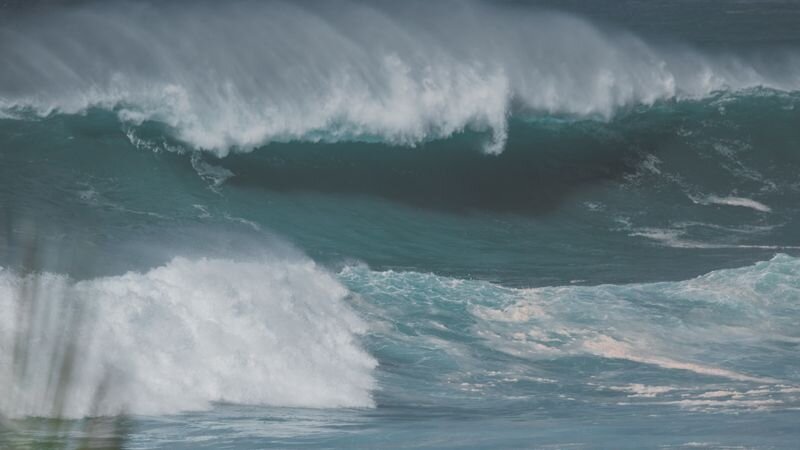
Every winter, the North Shore of Oahu becomes the center of the surfing world. From November through February, swells generated by storms thousands of miles away in the North Pacific travel south and arrive at Oahu's north-facing reefs with enough energy to produce waves that professional surfers spend their entire careers preparing for. The most famous of those reefs — Banzai Pipeline — breaks over shallow lava just a few hundred feet from shore at Ehukai Beach, close enough that spectators standing on the sand get mist from the falls.
Pipeline is not just the most-watched surf break in the world. It is arguably the most studied, most photographed, and most consequential few hundred meters of ocean in all of surfing. The wave's hollow, fast-breaking shape — a thick, cylindrical tube that surfers disappear inside before emerging from — has defined an entire aesthetic in surf culture. And its reef, a jagged lava shelf in some places only a few feet below the surface, has made it one of the most dangerous places on earth to surf.
How Pipeline Works: The Reef That Makes the Wave
Pipeline's character comes from the reef beneath it. A broad, flat shelf of lava sits at a particular depth that causes incoming swells to slow suddenly and pitch forward with unusual steepness. The energy of the wave, compressed by the shallow reef, is released almost instantaneously — the wave doesn't roll and curl gradually but throws its entire lip forward in a single motion, forming a cylindrical tube that closes from the side rather than crumbling from the top.
The shape of that tube — wide, round, and fast — is what makes Pipeline both extraordinary and deadly. Surfers who make it through a Pipeline barrel are sometimes in the tube for several seconds, completely enclosed in a spinning cylinder of water moving at high speed. Those who fall are thrown directly into the reef. The lava shelf is irregular and unforgiving. Over the decades, Pipeline has claimed many injuries and several lives even among the world's most experienced professional surfers.
The name itself came in 1961, when California filmmaker Bruce Brown visited Oahu's North Shore while scouting locations. Construction work nearby was repairing an underground pipeline along Kamehameha Highway. Surfer Mike Diffenderfer looked at the wave's tube shape and suggested the name. Brown used it in his film Surfing Hollow Days, and it spread globally.
The North Shore's "Seven Mile Miracle"
Pipeline is one break in a stretch of coastline that surfers call the "Seven Mile Miracle" — the seven miles between Haleiwa and Sunset Beach that contains more world-class surf spots per mile than anywhere else on Earth. Sunset Beach, Off The Wall, Backdoor, Rocky Point, Laniakea, Himalayas, and Waimea Bay are all within this corridor. In winter, when the swells arrive, this stretch hosts professional competitions almost continuously for two to three months.
The North Shore's surfing culture is its own world — local, hierarchical, and protective of its breaks. The lineup (the area where surfers wait for waves) at Pipeline operates by an understood pecking order during big swells. Respect for local surfers who have surfed the break for decades is not optional. For visitors, watching from the beach is the appropriate engagement, and the spectacle from Ehukai Beach Park is extraordinary and completely free.
Watch tip: The best spectator viewing is from Ehukai Beach Park, directly in front of Pipeline. Go on a day with a solid north swell (check Surfline or Magic Seaweed for forecasts). If you want to see the Eddie Aikau Invitational, watch for the "Eddie would go" announcement — the contest is only held on days when open-ocean swells reach 20 feet or more, so it may not run in a given year. When it does run, the North Shore shuts down in the best possible way.
Eddie Aikau: "Eddie Would Go"
Edward Ryan Makuahanai Aikau was born in Honolulu on May 4, 1946. By the late 1960s, he had established himself as one of the best big-wave surfers in Hawaii — not just for his skill at places like Waimea Bay and Pipeline, but for an apparent absence of fear. When other surfers paddled in during the largest swells, Eddie paddled out.
In 1967, he was hired as the first official lifeguard at Waimea Bay, the deep-water break that produces waves 30 to 40 feet on the face during major swells. During his years as a lifeguard at Waimea, it is said that not one swimmer died in the water under his watch. He is credited with saving more than 500 lives.
Eddie Aikau died on March 17, 1978. He was a crew member on the Hōkūleʻa, a replica Hawaiian double-hulled voyaging canoe making a voyage from Hawaii to Tahiti. The canoe capsized in rough seas about 12 miles south of Molokai. Rather than wait for rescue, Eddie paddled his surfboard toward the nearest shore to get help — and was never seen again. His body was never recovered. He was 31.
The phrase "Eddie would go" — coined by big-wave legend Mark Foo — became a statement of courage in surfing, and eventually in Hawaiian culture more broadly. It means: when conditions are too extreme for anyone else, Eddie would have gone. The Eddie Aikau Big Wave Invitational at Waimea Bay, first held in 1984 and held intermittently since (only when swells exceed the minimum threshold), is the most selective big-wave contest in surfing. When the Eddie runs, it is an event.
Waimea Bay and the Eddie Invitational
The Eddie is held at Waimea Bay, about a mile east of Pipeline. Waimea Bay is a horseshoe-shaped bay whose inner beach is completely calm in summer — popular for cliff jumping and swimming. In winter, when the swells arrive, it closes to swimming and becomes one of the most powerful waves in the world.
The Eddie Invitational requires open-ocean swell faces of 20 feet or more to run. Most years, the conditions don't materialize. In years they do, the contest draws the world's 28 invited big-wave surfers and an estimated crowd of tens of thousands lining the bay. The combination of the setting, the stakes, and the infrequency of the event makes it unlike any other contest in sport.
Explore Oahu's North Shore
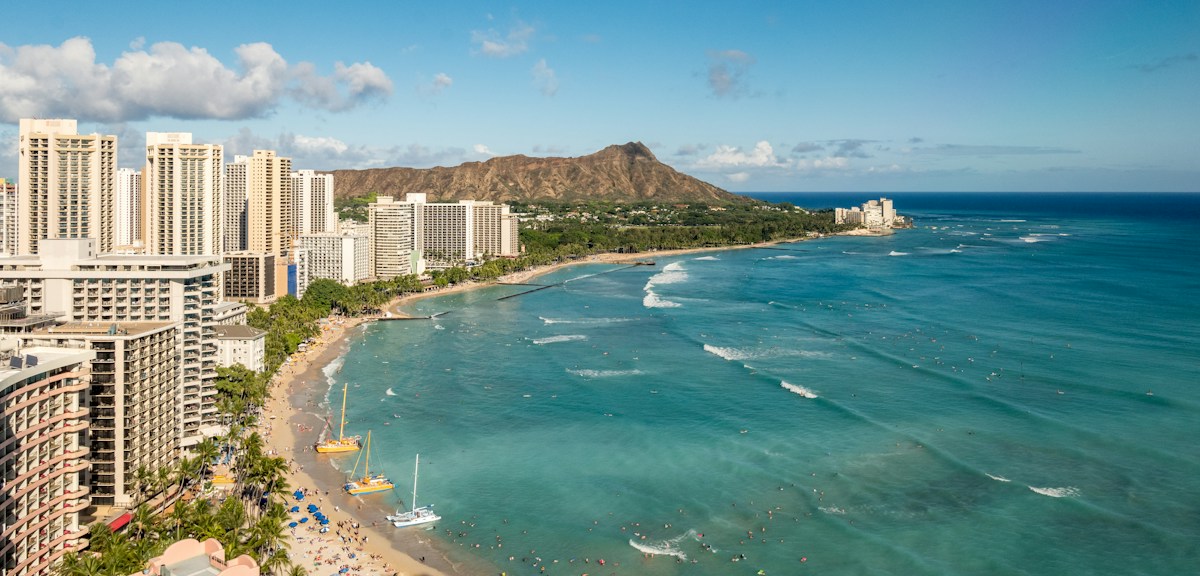
North Shore tours from Waikiki cover Pipeline, Waimea Bay, shrimp trucks, and Haleiwa town — the cultural center of Hawaiian surf.
Browse Oahu Tours →Frequently Asked Questions
Where is Banzai Pipeline?
Banzai Pipeline is at Ehukai Beach Park on Oahu's North Shore, near the town of Haleiwa — about 35 miles north of Waikiki. Spectators can watch from the beach for free.
Why is Pipeline so dangerous?
Pipeline breaks over a shallow, irregular lava reef — in places only a few feet below the surface. Surfers who fall are exposed to the reef. The wave's steep, fast, and hollow shape makes it particularly unforgiving. It is consistently ranked among the most dangerous professional surf breaks on Earth.
Who was Eddie Aikau?
Eddie Aikau (1946–1978) was a Hawaiian big-wave surfer and the first official lifeguard at Waimea Bay. He is credited with saving more than 500 lives. He disappeared in 1978 while paddling for help after the voyaging canoe Hōkūleʻa capsized. The Eddie Aikau Big Wave Invitational, held at Waimea Bay when swells exceed 20 feet, is named in his honor.
When is the best time to watch North Shore surf?
November through February. The biggest swells typically arrive in December and January. Check Surfline or Magic Seaweed for current North Shore forecasts before making the drive from Waikiki.