Which Hawaiian Island Should You Visit?
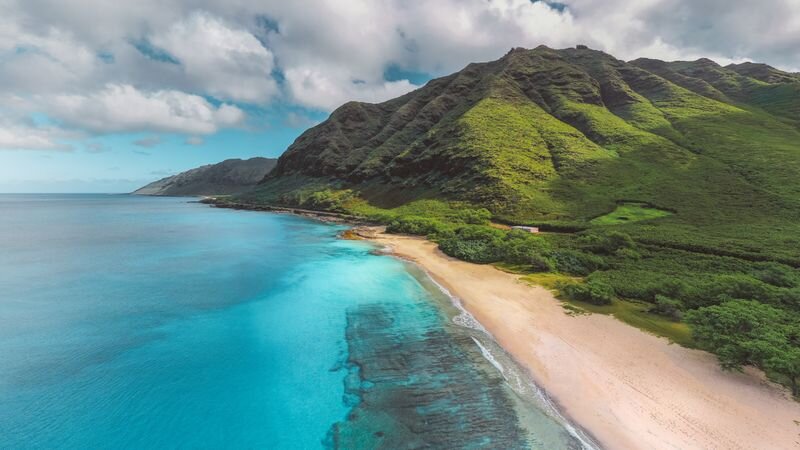
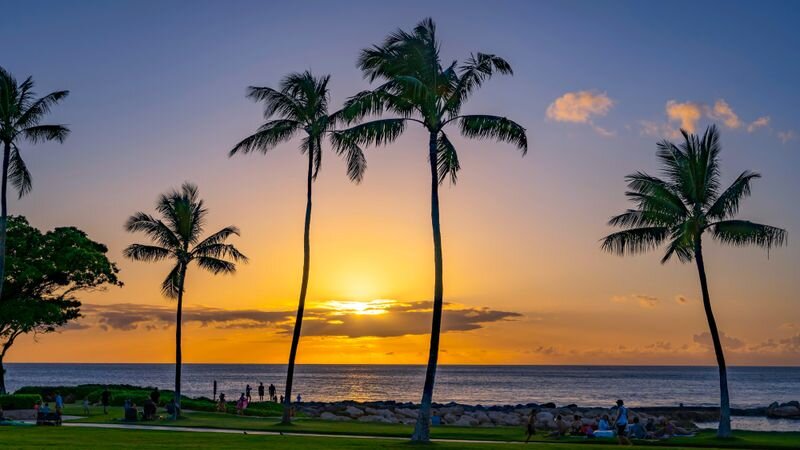
Hawaii has six main islands, but four of them get the bulk of tourism: Oahu, Maui, Hawai'i (the Big Island), and Kauai. Each one has a distinct personality, and the right pick depends less on which is "best" than on what you actually want from the trip.
There is no wrong answer here. People who pick Oahu and people who pick Kauai are usually after very different things, and both are happy. The goal of this guide is to narrow the field to your top match in about five minutes.
Below is a quick-pick table covering all four, then a section per island with the honest cons alongside the highlights, a decision matrix by trip purpose, guidance on two-island combos, and 2026 cost expectations.
Quick-pick summary
| Island | Best for | Vibe | Top activity |
|---|---|---|---|
| Oahu | First-timers, history, nightlife | Urban + beaches | Pearl Harbor, North Shore surfing |
| Maui | Couples, road trips, whale watching (winter) | Resort + scenic | Road to Hana, Haleakala sunrise |
| Big Island | Adventure, geology, diversity in one island | Volcanic + remote | Volcanoes National Park, manta ray night snorkel |
| Kauai | Outdoor lovers, hikers, slow travelers | Lush + quiet | Na Pali Coast, helicopter tours |
Oahu — best for first-time visitors and a city + beach mix
Oahu is the most accessible of the four. Honolulu International (HNL) is the main hub, and most flights from the mainland and overseas land here first. If you're trying to optimize travel time, that alone is a reason to consider it.
Oahu is also the only island that offers Hawaii's full range in one place. Honolulu and Waikiki give you city energy, walkable nightlife, and high-rise beachfront hotels. Drive 45 minutes north and you're on the North Shore, where surf culture is the local industry and the pace drops noticeably. Pearl Harbor, the USS Arizona Memorial, and Iolani Palace cover the historical side. Diamond Head, Manoa Falls, and the Lanikai Pillbox hike all fit easily into a normal trip.
The cons are real. Oahu is the most crowded island, Honolulu traffic on H-1 can be brutal during commute hours, and Waikiki has the touristy density of any major resort strip. If you want quiet or off-grid, this isn't it.
Who it's for: first-time visitors, history buffs, families that want variety in a single base, and travelers who consider nightlife part of a vacation. Hotel costs run mid-range overall — Waikiki is generally cheaper than Maui or Kauai for comparable rooms. For a deeper look at how Oahu stacks up against Maui specifically, the Maui vs Oahu: First-Time Visitors comparison covers the tradeoffs in detail. Once you're on island, the Best Snorkeling in Oahu 2026 guide and Best Luaus in Oahu 2026 cover the headline activities, and Oahu Helicopter Tours: Worth the Money? is worth reading before you book a flightseeing tour. Families should check Best Kid-Friendly Tours in Oahu.
Oahu Circle Island Tour: 21+ Stops in a Day
The one-day Oahu sampler: North Shore, Dole, Waimea, the windward lookouts and more, with pickup in Waikiki. Runs daily.
Duration: 9 hours • Child 3–12: $85 • Verified Sep 29, 2026
Check Availability →Maui — best for couples, scenic drives, and whale watching
Maui's headline experiences are the Road to Hana (a coastal switchback drive past waterfalls and black sand beaches) and the Haleakala sunrise (10,023 feet above sea level, above the cloud line). Both are full-day commitments and both are worth it.
Winter on Maui is whale season. From roughly December through April, humpback whales migrate from Alaska to calve in the Auwahi Channel between Maui, Lanai, and Molokai. The density is exceptional — you can see whales from shore on most days, and a boat tour during peak January-February will likely show you breaching, tail slaps, and pod surface activity. The Maui Whale Watching Guide covers timing, operators, and which side of the island to base on.
Lahaina, on West Maui, was severely damaged by the August 2023 wildfires and is in active rebuilding. Tourism to unaffected areas of Maui is encouraged by the county and supports the recovery, but visitors should check current advisories and respect closure zones. Most resort areas (Wailea, Kaanapali outside the burn zone, Kihei) are operating normally.
The cons: Maui is the priciest of the four for hotels, food, and activities. Resort properties on the west and south coasts run $400-800 per night during peak season, and dinner at a sit-down restaurant easily clears $80 per person. Flights to OGG (Kahului) are also typically $50-150 more than to HNL on Oahu.
Who it's for: couples, honeymooners, scenic-drive lovers, and families with older kids who can handle long days in the car. Beyond the whale guide, the 10 Best Maui Tours 2026 roundup is the broadest overview, and Maui Road to Hana Tour Options compares guided tours against doing the drive yourself.
Molokini & Turtle Town Snorkel
The signature Maui morning: snorkel inside Molokini Crater, then Turtle Town. Three hours, ages 4 and up, daily departures.
Duration: 3 hours • Child 4–12: $119 • Verified Sep 29, 2026
Check Availability →Big Island (Hawai'i) — best for adventure travelers and geology lovers
The Big Island is the youngest and largest of the Hawaiian islands — bigger than all the others combined. You can drive through eight of the world's thirteen climate zones in a single day, from tropical beach to alpine summit to high-elevation desert. Nothing else in Hawaii is comparable.
Kilauea and Mauna Loa, both at Hawai'i Volcanoes National Park, are active. Kilauea has had multiple eruption cycles in recent years, and the park is generally the centerpiece of any Big Island itinerary. Even when there's no surface lava flow, the caldera, lava tubes, and steam vents make for an extraordinary geology day.
The other distinctive Big Island experience is the manta ray night snorkel off the Kona coast. You float at the surface holding a lit board while giant manta rays (wingspans up to 16 feet) circle and feed below you on plankton attracted by the lights. Over 90% of tours see rays. The Big Island Manta Ray Night Snorkel: What to Expect covers the format, and Big Island Manta Ray Tours 2026 compares operators.
The Big Island has two distinct sides that feel like different islands. Kona (west) is dry, sunny, and resort-oriented. Hilo (east) is wet, lush, and has a more local-leaning small-town feel. The Kona vs Hilo comparison helps decide which to base on, or whether to split your stay. The Things to Do on the Big Island overview is the broader guide, and budget travelers should look at Cheapest Helicopter Tours: Big Island.
The cons: more driving than Oahu or Maui, less polished resort infrastructure overall, and weather varies wildly across the island in a single day. Who it's for: repeat visitors, adventure travelers, science and geology nerds, and people who want a less curated experience.
The Big Island's signature bookable experience is the manta ray night snorkel off the Kona Coast — year-round, and found nowhere else in Hawaii. Here's which operator to book →.

Kona night manta ray snorkel — Kona Snorkel Trips
from $139 per person · runs year-round on the Big Island
Check AvailabilityKauai — best for hikers, outdoor lovers, and slow travelers
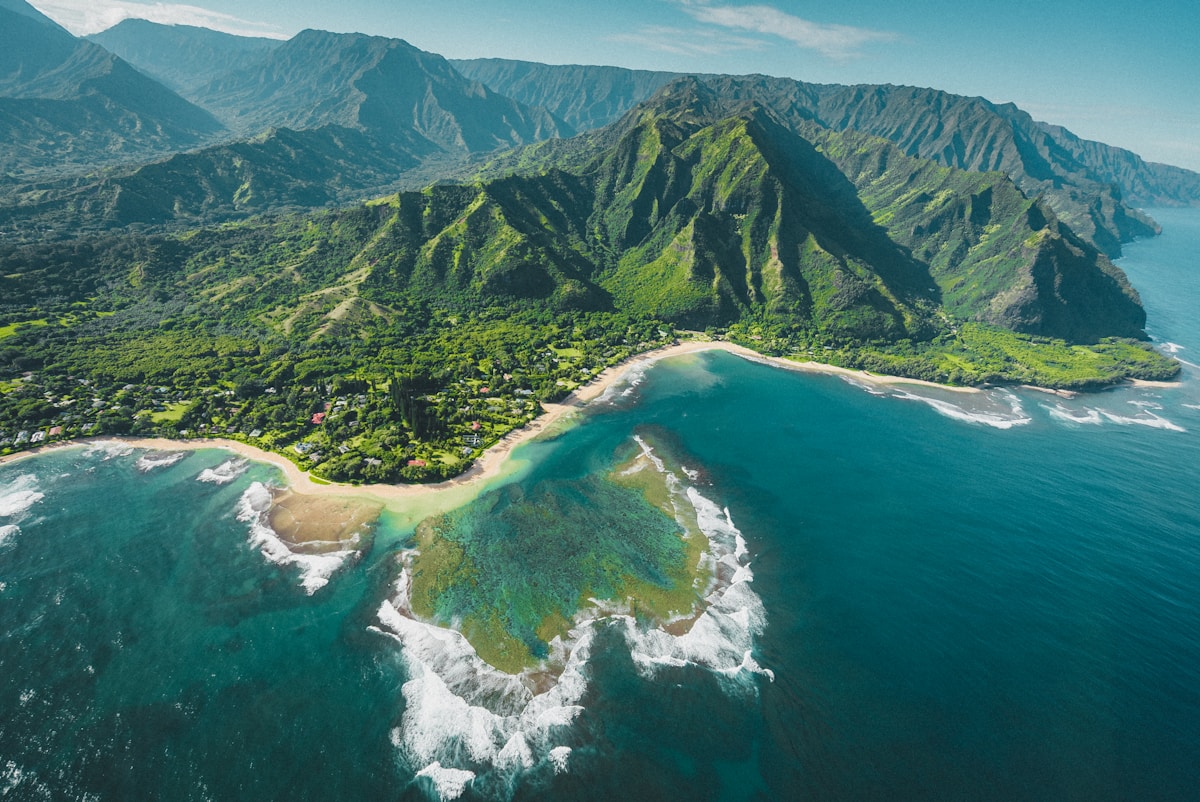
Kauai is the "Garden Isle" — the wettest, greenest, and smallest of the four main islands. The headline experience is the Na Pali Coast: a stretch of cliffs along the northwest shore that's accessible only by boat, helicopter, or an 11-mile hike along the Kalalau Trail. The Na Pali Coast Tours guide breaks down the three approaches and which is right for whom.
Waimea Canyon, sometimes called the Grand Canyon of the Pacific, sits on Kauai's west side. It's a half-day visit by car and the views from the lookouts at Pu'u Hinahina and the canyon overlook are extraordinary in their own right. Combined with the nearby Koke'e State Park trails, you can fill a full day on the west side.
Kauai is the quietest of the four. There's a county building code that limits heights to roughly that of a coconut tree, which is why you won't see high-rise resorts — the tallest buildings are four stories. Nightlife is limited, restaurant options are smaller than on Oahu or Maui, and the north shore can rain heavily, especially in winter. The Kauai Tours Overview covers what's available, and Kauai vs Maui Snorkeling compares the two for water activities specifically.
Who it's for: hikers, photographers, couples seeking quiet, and repeat Hawaii visitors looking for something genuinely different from Oahu or Maui.
Kauai's signature bookable experience is the Na Pali Coast, reachable only by boat, helicopter, or the 11-mile Kalalau Trail. A morning snorkel raft trip is the most accessible way to see the cliffs from the water.

Morning Na Pali Coast snorkel — Kauai Offshore Adventures
$197 adult · by raft along the Na Pali cliffs
Check AvailabilityQuick decision matrix: pick by trip purpose
If you know what kind of trip you want, this maps the most common purposes to the right island.
- First Hawaii trip: Oahu (or Oahu plus a second island if you have 10+ days)
- Honeymoon: Maui or Kauai
- Family vacation, ages 6–12: Oahu (most variety) or Maui (resorts with kid programs)
- Adventure / hiking focus: Kauai or Big Island
- Whale watching (Dec–Apr): Maui or Big Island
- Surfing: Oahu (North Shore) or Maui (Honolua Bay)
- Scuba diving: Big Island or Maui
- Foodie trip: Oahu (most range) or Big Island (farm-to-table on the Hilo side)
- Volcano / geology: Big Island, no contest
- Quiet / off-grid feel: Kauai or the Hilo side of the Big Island
Two-island combo trips: when to consider
Inter-island flights are short — 30 to 45 minutes — and run $50 to $150 one-way on Hawaiian Airlines or Southwest. That makes two-island trips logistically easy, but they only make sense if you have time.
The rule of thumb: stick to one island if your trip is under 7 days. Two islands works well at 8+ days, with roughly 4 days per island as the floor. Three islands really needs 12+ days to avoid feeling rushed.
The most popular combos are Oahu + Maui (variety), Maui + Big Island (scenic + adventure), and Oahu + Kauai (urban + outdoor). If you've already been to a major US city, you can reasonably skip Oahu and save it for a future trip — the other three are more uniquely Hawaiian and harder to substitute.
Cost expectations (rough ballpark, 2026)
Numbers below are mid-range guidance. Peak season (mid-December through early January, plus mid-June through August) runs higher; shoulder seasons (April-May, September-early November) run lower.
- Cheapest island for hotels: Oahu (Waikiki) — $200–350/night mid-range
- Most expensive: Maui — $400–800/night for resort properties
- Mid-range: Big Island and Kauai — $250–450/night
- Inter-island flights: $50–150 one-way
- Rental car: $80–150/day in 2026 (essential on every island except if you're staying in Waikiki the whole time)
- Activities and tours: $80–300 per person per activity, depending on duration and whether boat or air
Common questions
Can I see all four islands in one trip?
Possible in 14+ days, but exhausting and you'll feel like you're packing and flying constantly. Two or three islands done well almost always beats four done shallow.
Which island has the best beaches?
Oahu has the most variety (city beaches, North Shore surf beaches, calm bay swimming). Maui has the most postcard-perfect resort beaches. The Big Island has black-sand and green-sand beaches that you won't find anywhere else.
Which is best for kids?
Oahu for variety — the most kid-targeted attractions per square mile, plus easy logistics. Maui resorts have the strongest dedicated kid programs (Hyatt Camp Hyatt, Westin Keiki Club, etc.) if you want resort-based downtime built into the trip.
Is it safe to visit Maui after the 2023 fires?
Yes. West Maui (the Lahaina area) is in active rebuilding and respectful tourism in unaffected areas is encouraged by Maui County to support the recovery. Check current advisories before you book and avoid the burn zone itself.
Bottom line
If it's your first trip, pick Oahu, or pair Oahu with a second island if you have 10+ days. If you're a couple looking for resort time and scenic drives, Maui. If you're an adventure traveler or a repeat visitor, the Big Island or Kauai — the Big Island for geology and variety, Kauai for hiking and quiet.
The "wrong" answer isn't really about the island. It's about picking one whose personality doesn't match what you actually want from the trip. Use the matrix above, be honest about your trip's purpose, and the choice usually picks itself.
Ready to plan your trip?
Browse tours across all four Hawaiian islands and book direct with local operators.
Check Availability →