What to Expect on a Hawaii Snorkeling Tour: A First-Timer's Guide
Hawaii snorkeling tours range from 90 minutes at Hanauma Bay to 6-hour full-day catamaran sails to Molokini. They all share the same basic structure — and a few surprises that first-timers consistently mention not expecting. Here's the full picture from dock to dock.
Quick version: You'll board at a harbor 30 minutes before departure, cruise 20–45 minutes to the reef, snorkel 45–90 minutes with a guide, and cruise back. Gear is included. The water is 78–82°F. You don't need to be a strong swimmer. If you're prone to seasickness, take Bonine the night before — the Maui Channel crossing to Molokini is the roughest common route in Hawaii.
Step-by-Step: What Happens on the Day
At the dock (T-30 min): Arrive 30 minutes before departure. You'll check in with staff, sign a waiver, and get oriented to the boat. Most large catamarans have a snorkel gear station where you collect equipment and get sized for fins and mask. Guides will demonstrate how to clear your mask and use a snorkel before you're in the water.
The boat ride out (0:00–0:30): Most reef sites are 20–45 minutes from harbor. Molokini from Ma'alaea is a 2.5-mile ocean crossing (~25 minutes). Kealakekua Bay from Kailua-Kona is ~15 minutes. Na Pali coast tours run 45–60 minutes along the coastline before stopping. On Maui channel crossings, sit amidships if you're at all prone to motion sickness.
Arrival at the reef (0:30): The captain anchors or moors. Guide does a 5-minute water briefing — where to go, what not to touch, how to signal if you need help. Then you're in. Most tours use a swim ladder at the stern; some anchor near a sandy beach entry.
In the water (0:30–1:30): Guides snorkel with the group, pointing out sea turtles, reef fish, eels, and invertebrates. At sites like Kealakekua Bay, you may be in 10–30 feet of water with 100-foot visibility — the reef is visible from the surface but you're not diving. At Molokini, the inner wall drops 35 feet; the back wall drops 300 feet, but you're snorkeling the shallower inner crater.
Return and onboard time: After the snorkel stop(s), you shower on deck (most boats have a freshwater rinse), have a snack or meal on catamarans, and cruise back. Longer tours make a second stop.
What to Bring (and Leave Behind)
✅ Bring These
- Reef-safe sunscreen — Hawaii law requires it (no oxybenzone/octinoxate). Apply 20 min before boarding.
- Rash guard or wetsuit top — more effective than sunscreen in the water
- Towel — not provided on most boats
- Motion sickness medication — take the night before
- Waterproof phone case — turtles are worth photographing
- Water and a light snack if the tour doesn't include food
🚫 Leave These
- Spray sunscreen — prohibited on most boats (gets on everyone)
- Valuables — leave jewelry and expensive watches at the hotel
- Heavy meals — eat light 1–2 hours before, not immediately before
- Regular sunscreen — not legal in Hawaiian marine sanctuaries
Equipment: What's Provided vs What to Rent
Standard on most guided snorkel tours: mask, snorkel, fins, and a flotation device (noodle or vest). Many tours also provide prescription masks (ask when booking) and wetsuits or rash guards. Bring your own if you're particular about fit — rental gear is shared and sometimes worn.
What you may need to rent separately on budget tours: snorkel gear ($15–$20/day). The Kona Snorkel Gear Rental ($18, Big Island) and Hanauma Bay gear rentals are on-site options if your tour doesn't include equipment.
Wildlife: What You'll Actually See
Sea turtles (honu): The most common sighting on Oahu, Maui, and Big Island tours. Green sea turtles are throughout Hawaiian waters. Don't touch — it's illegal and stresses the animals. Most guides will position you so turtles swim toward you naturally.
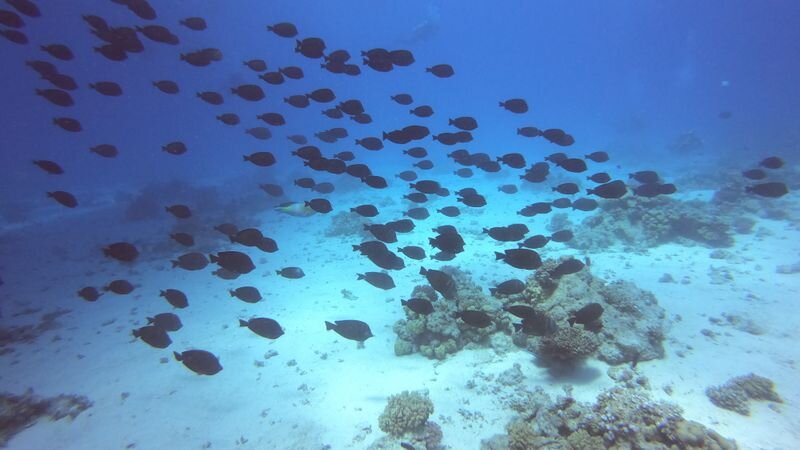
Reef fish: Humuhumunukunukuapua'a (Hawaii's state fish), butterflyfish, parrotfish, triggerfish, wrasse. Molokini has 250+ species. Even a basic Oahu turtle tour will have 30–50 fish species visible.
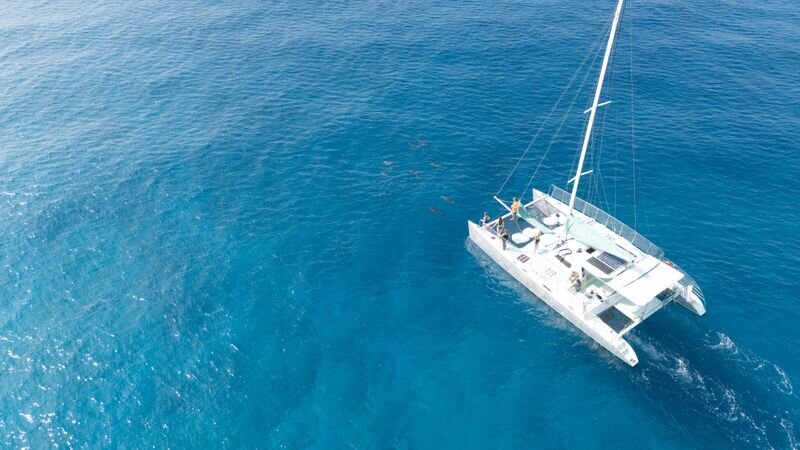
Dolphins: Spinner dolphins are common in Maui Channel and off the Big Island's Kona coast. They sometimes escort boats or swim through snorkel sites. Not guaranteed, but a regular sighting on routes that pass their daytime resting areas.
Manta rays: Only on Big Island night tours specifically designed for manta encounters. Not a general Hawaii snorkeling sighting.
Whales: Humpback whales are in Hawaiian waters December–April and visible from boats on any winter Maui tour. Above-water sightings only — no snorkeling with whales.
Seasickness: The Real Issue Nobody Mentions
The Maui Channel between Maui and Molokini is one of the choppier common crossings in Hawaii. Open-ocean catamaran tours rock in swells that don't affect the reef itself. If you've had motion sickness before, don't skip the medication.
What works: Bonine (meclizine) taken the night before and morning of departure. Bonine is non-drowsy and more effective than Dramamine for most people. Ginger supplements are a lower-efficacy natural option. Scopolamine patches (Transderm-Scop) work but require a prescription.
Boat choice matters: Catamarans roll in beam swell. Rigid inflatables punch through it — faster and sometimes smoother if conditions are moderate. If you're very sensitive, consider a sheltered site (Hanauma Bay, Kealakekua Bay) rather than an open-channel crossing to Molokini.
Picking the Right Tour for Your First Time
| Situation | Best Tour Type | Example | Price |
|---|---|---|---|
| Never snorkeled, on Oahu | Guided Hanauma Bay | Kaimana Tours | $56/person |
| First time, want turtles on Maui | Turtle Town catamaran | Quicksilver AM Turtle Town | $100/person |
| Want the best snorkel in Hawaii | Morning Molokini raft | Blue Water Rafting 2hr Molokini | $129/person |
| Big Island, want clearest water | Kealakekua Bay boat | Kona Offshore Adventures | $50/person |
| Want manta rays (Big Island) | Night snorkel tour | Capt Cook Cruises Manta Night | $79.55/person |
Find your first Hawaii snorkel tour
Filter by island, beginner-friendly options, and departure time.
Check Availability