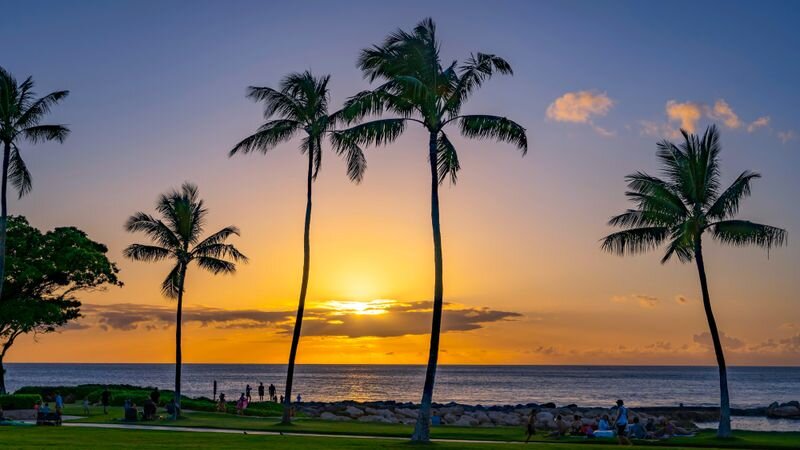
Watching the sunrise from a 10,000-foot volcano above the clouds is a transcendent Hawaiian experience. Haleakala's summit sunrise, called "House of the Sun," offers unparalleled views and spiritual significance. This guide helps you plan the perfect Haleakala sunrise tour, from choosing operators to preparing for the early morning adventure.
Why Haleakala Sunrise Is Worth the Early Wake-Up
At Haleakala's summit (10,023 feet), you stand above sea-level clouds, watching the sun paint the sky in brilliant colors while casting shadows across distant islands. The experience feels almost otherworldly. Hawaiian culture reveres this location as sacred; the name "Haleakala" means "House of the Sun." Many visitors describe it as their most memorable Hawaii moment.
Types of Sunrise Tours Available
Guided Tours with Transportation
Full-service tours include hotel pickup (typically 2-3 AM), guided transportation up the volcano, prime viewing spots, and often breakfast and commentary. Guides share cultural history and geological information. These tours cost $150-400 per person but remove logistics stress and guarantee excellent viewing positions. Popular operators include Maui Sunrise Tours and Valley Isle Adventure Company.
Self-Guided Summit Visits
Driving yourself to Haleakala costs only the $30 park entrance fee. You'll need a rental car and navigate the steep 37-mile road yourself (1.5-2 hours from Kahului). Parking is first-come, first-served; arriving by 4 AM usually secures a spot. This budget option requires self-organization but offers maximum flexibility.
Combination Tours
Many operators combine Haleakala sunrise with additional activities like volcano crater walks, or add-ons like snorkeling. These longer tours (6-8 hours) provide comprehensive Maui experiences but require significant time commitment.
Best Time for Haleakala Sunrise
Sunrise timing varies seasonally: December-January (6:45-7:00 AM) vs. June-July (5:30-5:45 AM). Clear weather is crucial; winter brings more cloud cover. Historically, May-September (drier) offers better visibility than winter months. However, Haleakala's weather is unpredictable—clouds can hide the sunrise even on supposedly clear days. Tour operators often offer free return visits if weather obscures the sunrise.
Essential Preparation
Dress Appropriately
The summit is 30-40°F colder than sea-level Maui. Bring warm jacket, long pants, closed-toe hiking shoes, hat, gloves, and sunglasses. Even summer visits require layers; winds accelerate cooling. Waterproof jacket protects against occasional moisture and mist.
Book in Advance
Popular tours fill 2-3 weeks ahead, especially during high season (November-March). Book online for best pricing and guaranteed reservations. Off-season (April-October) offers easier booking and cheaper rates.
Health Considerations
The elevation gain can affect some visitors. Ascend slowly, stay hydrated, and avoid strenuous activity the previous day. People with respiratory conditions should consult doctors. The early wake-up and long day can be physically demanding; ensure adequate sleep beforehand.
What to Expect on the Tour
Tours typically begin with predawn pickup, followed by scenic drive to the summit. Upon arrival, guides position you at optimal viewing locations. As sunrise approaches, anticipation builds. The first moment the sun appears—painting the sky, casting shadows across valleys, illuminating clouds below—is truly magical. After sunrise, most tours include breakfast, crater viewing, and guided commentary about geology and Hawaiian culture.
Book Your Haleakala Sunrise Tour Today
Create memories with expert-guided Haleakala sunrise tours. Book now to secure your spot for this iconic Hawaiian experience.