Hawaii Fishing Charters: Deep Sea Sport Fishing on Every Island
Hawaii sits at the edge of the Pacific's deepest waters, which means fishing within a short run from shore. Mahi-mahi, ahi (yellowfin tuna), ono (wahoo), and marlin all patrol these waters year-round. The main question isn't whether you'll find fish — it's which island, which boat, and whether you want a private charter or a shared trip.
This guide covers the real operators running fishing charters on Kauai, including charter types, what to expect on each format, target species by season, and exactly what's included. Booking information is linked directly so you can compare and reserve without hunting around.
Charter Types: Private vs. Shared vs. Half-Day
Before picking a tour, it helps to know what each format means for your experience on the water.
Private charters give you the entire boat — typically 4 to 6 anglers plus captain and mate. You set the schedule, keep or release fish as you choose, and don't share space with strangers. These run $750–$1,125 for a half to full day and make sense for groups already fishing together.
Shared charters put you on a boat with other anglers who book individual spots. The captain works the same grounds, but rods rotate and catches belong to whoever landed the fish — or the boat, depending on the policy you confirm before booking. Shared trips run $215–$295 per person for a 4–6 hour trip.
Half-day charters — typically 4 hours — are the entry point for first-timers or families who want to test offshore fishing without committing to a full day. Prices run $750 for a private half-day boat.
What You'll Catch: Species by Season
| Species | Local Name | Peak Season | Where Found |
|---|---|---|---|
| Mahi-mahi | Dorado | Year-round, peak spring–summer | Offshore, near floating debris |
| Yellowfin Tuna | Ahi | Year-round, peak summer–fall | Deep offshore, 100–300 ft |
| Wahoo | Ono | Fall–winter | Mid-range offshore |
| Blue Marlin | — | Summer peak (June–Sept) | Deep water, blue water trolling |
| Spearfish | — | Winter–spring | Offshore, less common |
| Striped Marlin | — | Winter–spring | Offshore blue water |
Breakaway Fishing Charters — Kauai
Breakaway departs from Nawiliwili Small Boat Harbor on the south shore and runs a 34-foot Radon sport fisher. The boat has an enclosed cab with protection from wind, sun, and rain, plus a shaded mid-deck area. All tackle and gear is included; you bring food and drinks. They offer shared charters to keep costs down, and the captain's local knowledge of Kauai's offshore grounds is the main selling point.
Six Hour Shared Charter
Operator: Breakaway Fishing Charters
Duration: 6 hours | Departs: Nawiliwili Harbor, Kauai
Six hours on the 34-foot Radon gives enough time to reach the offshore grounds where mahi-mahi, ono, and ahi run. Shared spots keep the cost low while covering real fishing territory. Tackle, gear, and ice included.
Four Hour Shared Charter
Operator: Breakaway Fishing Charters
Duration: 4 hours | Departs: Nawiliwili Harbor, Kauai
Same boat, shorter window. Works for families with younger kids or anglers who want a morning on the water without a full-day commitment. The captain runs similar grounds to the longer trip.
Private Charters
Operator: Breakaway Fishing Charters
Duration: 4–8 hours | Departs: Nawiliwili Harbor, Kauai
Private charter for groups up to 6 — half day (4 hours) from $900, three-quarter day (6 hours) $1,200, or full day (8 hours) $1,750. Family-owned operation with local offshore knowledge built over years fishing these waters. You keep the boat to yourselves — set the pace and focus on whatever species is running.
Blue Water Fishing LLC — Kauai
Blue Water runs a Bertram charter boat out of Lihue, taking up to six anglers. Multiple duration options — half-day at 4 hours, three-quarter day at 6 hours, and full day at 8 hours — give anglers flexibility based on how long they want to spend offshore. The shorter trips are good for testing the waters; the full-day gives the best shot at blue water species including marlin.
Half-Day Charter Bertram
Operator: Blue Water Fishing LLC
Duration: 4 hours | Departs: Lihue, Kauai
Deep-sea sport fishing aboard the Bertram, up to six anglers. Four hours gets you to the offshore grounds for mahi-mahi and ono. Tackle included, all equipment on board.
3/4 Day Charter Bertram
Operator: Blue Water Fishing LLC
Duration: 6 hours | Departs: Lihue, Kauai
Six hours aboard the Bertram for a more extended offshore session. More time to find fish and work productive spots. Good for anglers targeting ahi, which often requires patience and finding the right temperature breaks.
Ohana Fishing Charters — Kauai
Ohana runs 4- and 6-hour shared trips and 4- to 8-hour private charters departing at 6:00 AM from Nawiliwili small boat harbor. Large coolers and ice are on board; you bring your own food and drinks. Fishing tackle, gear, and license are included in the price. The shared format puts you with up to a few other anglers targeting the same offshore grounds.
Ohana Fishing Charter
Operator: Ohana Fishing Charters
Duration: 4–8 hours | Departs: Nawiliwili Harbor, Kauai
Shared trips from $215 per person, private charters from $900 per boat, all with an early 6 AM departure to maximize fishing time. All gear and license included. Coolers and ice on board for the day's catch. Cancellation requires 72-hour notice by phone for a full refund.
What to Expect on a Deep Sea Fishing Trip
Most charters depart early — 6:00 to 7:30 AM — to take advantage of morning fish activity and calmer seas before afternoon trade winds build. The run to offshore grounds typically takes 30–60 minutes depending on conditions and target species.
The captain and mate handle all rigging, bait, and rod management. Your job is to hold on when a fish strikes and reel. Mates will assist with technique and landing fish, especially on larger catches. Most charters use a combination of trolling lures and live bait, adjusting tactics based on what's showing up on the fish finder.
Before You Book: Key Questions to Ask
- What's the fish policy? Some captains keep all catch; others let you take fish home (verify if your accommodation has a kitchen). Get this in writing before booking.
- What's included? Tackle and gear are almost always included. Some include snacks; others don't — clarify so you know what to bring.
- What's the seasickness policy? Offshore fishing involves real ocean swells. Take preventative seasickness medication (Bonine/Dramamine) the night before and morning of. Most operators won't issue refunds for motion sickness.
- How many anglers? On shared trips, a full boat of 6 means rotating through rods. A smaller shared boat means more fishing time per person.
- What happens in bad weather? Reputable charters will reschedule or refund if conditions are unsafe — confirm the cancellation policy when booking.
What to Bring on a Fishing Charter
Fishing charters provide tackle and gear, but there are several things you should bring yourself for a comfortable day on the water:
- Sunscreen — reef-safe SPF 50+, applied before you board. Hours of sun exposure on open water hits harder than on shore.
- Polarized sunglasses — reduces glare and helps you spot fish near the surface.
- Light rain jacket or windbreaker — even on sunny days, running offshore at speed creates wind chill.
- Food and drinks — most charters don't provide meals. Pack enough for the duration; a full-day trip means 8+ hours on the water.
- Closed-toe shoes — deck shoes or sneakers with rubber soles. Flip-flops create slip hazards on wet decks.
- Seasickness medication — take it the night before, not just the morning of. If you're prone to motion sickness on boats, this is essential.
- Cooler — if you plan to keep fish, some charters provide coolers, but confirm in advance. Bringing a portable cooler with ice is safe practice.
Understanding Hawaii's Sport Fishing Regulations
Hawaii has specific regulations around pelagic (open-ocean) fishing. Most sport fishing charters handle the licensing requirement — it's typically bundled into your charter fee — but it's worth understanding what you're fishing under.
Hawaii's offshore sport fishing doesn't require a personal license for recreational anglers on licensed charter vessels. The boat holds the commercial license and operates under state and federal regulations for pelagic species. However, size and bag limits apply to certain species, and billfish (marlin, spearfish) are typically catch-and-release on shared charters.
The Western Pacific Regional Fishery Management Council sets federal quotas for bigeye tuna, which affects commercial fishing more than recreational. For sport anglers, the practical impact is minimal — your captain knows what's in season and what to target.
Fishing vs. Snorkeling Charters: Which to Book
If you're torn between a fishing charter and a snorkel boat tour, here's the straightforward breakdown: fishing charters involve active participation and early mornings, but you're primarily on the surface covering offshore ground. Snorkel charters put you in the water to see reefs, turtles, and marine life up close. They're fundamentally different activities.
If your group includes non-anglers, a fishing charter can be frustrating for them — long stretches of trolling, seasickness risk, and limited action if fish aren't biting. For mixed groups, a snorkeling tour often works better. If everyone in your group actually wants to fish, a private fishing charter is the better use of your day and money than trying to fit fishing into a snorkel trip itinerary.
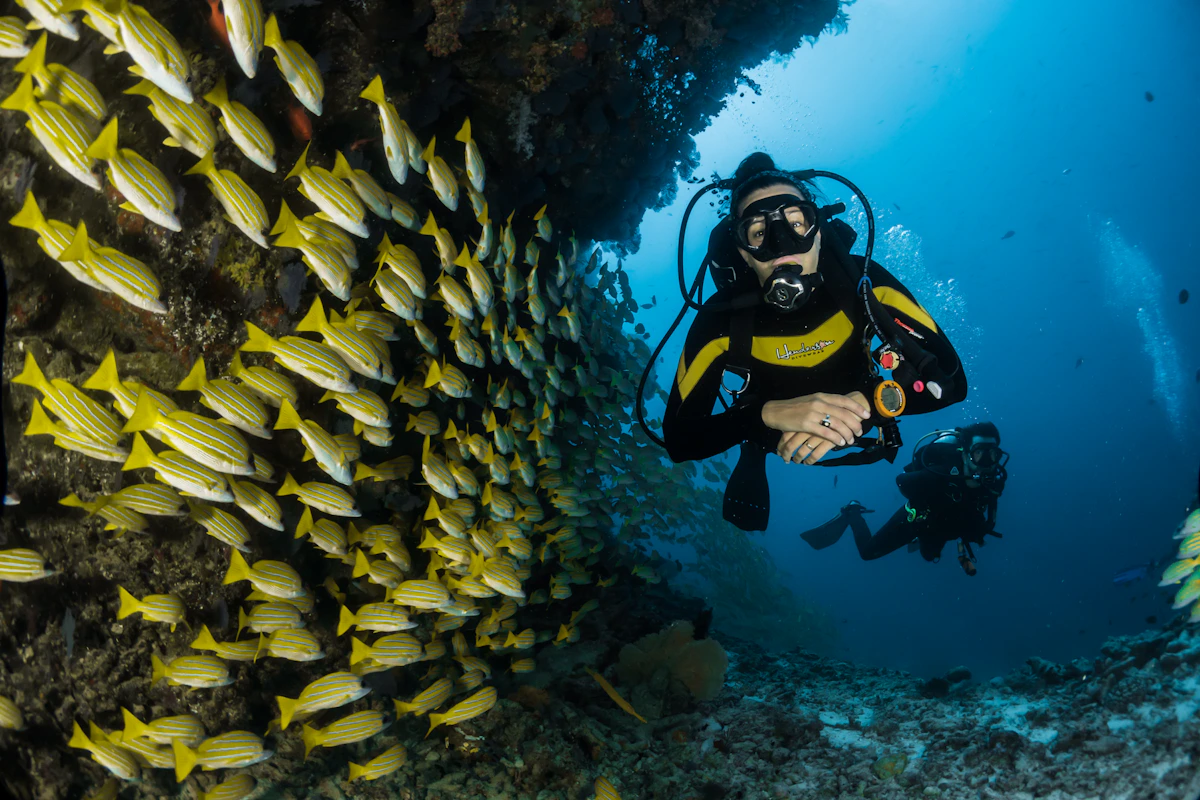
See our guides to best snorkeling in Hawaii and Hawaii scuba diving if you're looking for underwater alternatives.
Kauai Fishing by Season
Kauai's south shore provides the main departure points (Nawiliwili Harbor) for offshore fishing. The island's position and offshore contours concentrate certain species at predictable times of year.
Winter (December–March): Striped marlin and wahoo run well. Mahi-mahi and ahi are present but less concentrated. This is the rainy season on Kauai's north shore, but the south shore fishing grounds are often workable.
Spring (April–June): Mahi-mahi activity picks up significantly. Schools congregate near floating debris and temperature breaks offshore. One of the most consistent times for big mahi numbers.
Summer (July–September): Prime season for blue marlin and yellowfin tuna. The warmest water brings the best billfish activity. Ahi schools move through at depth and can be located on modern fish finders.
Fall (October–November): Transition period. Wahoo (ono) run well. Mahi-mahi and ahi remain. Less crowded and often good value for charters.
Book a Kauai Fishing Charter
Compare shared and private charters on Kauai — all departing from Nawiliwili Harbor with tackle and gear included.
Browse Kauai ToursFrequently Asked Questions
Do I need a fishing license for a charter trip in Hawaii?
No personal license is required for recreational anglers fishing on a licensed charter vessel in Hawaii's offshore (federal) waters. The charter operator holds the required license. If you're fishing in state nearshore waters, rules differ — your captain handles this.
What's the minimum age for a fishing charter?
Most operators accept kids as young as 6–8 for shared charters, though rough conditions can limit participation. Private charters give more flexibility to accommodate families with young children. Confirm age requirements with the specific operator when booking.
Will I definitely catch fish?
No charter can guarantee fish — this is open-ocean sport fishing. Experienced captains dramatically improve your odds by knowing productive grounds and using the right tactics, but fish behavior isn't predictable. A "no fish" day is uncommon with good operators but not impossible.
Can I keep the fish I catch?
Policy varies by operator. Some let you take your catch; others keep it for the boat. Confirm before booking, especially if you want to take fish home for dinner. You'll also need cooking facilities — check if your accommodation has a kitchen.
How rough are the seas?
Kauai's south shore typically has calmer departure conditions than the north or east. Ocean swells of 2–5 feet are normal offshore; rough days can see 6–8 foot swells. Captains monitor forecasts and will cancel trips if conditions are unsafe. Motion sickness is a real factor — prepare for it even if you've never been seasick before.
What time do fishing charters depart?
Most full-day and morning charters depart between 6:00 and 7:30 AM. The early start is intentional — morning hours often see better fish activity, and you're back before afternoon trade winds build seas.